
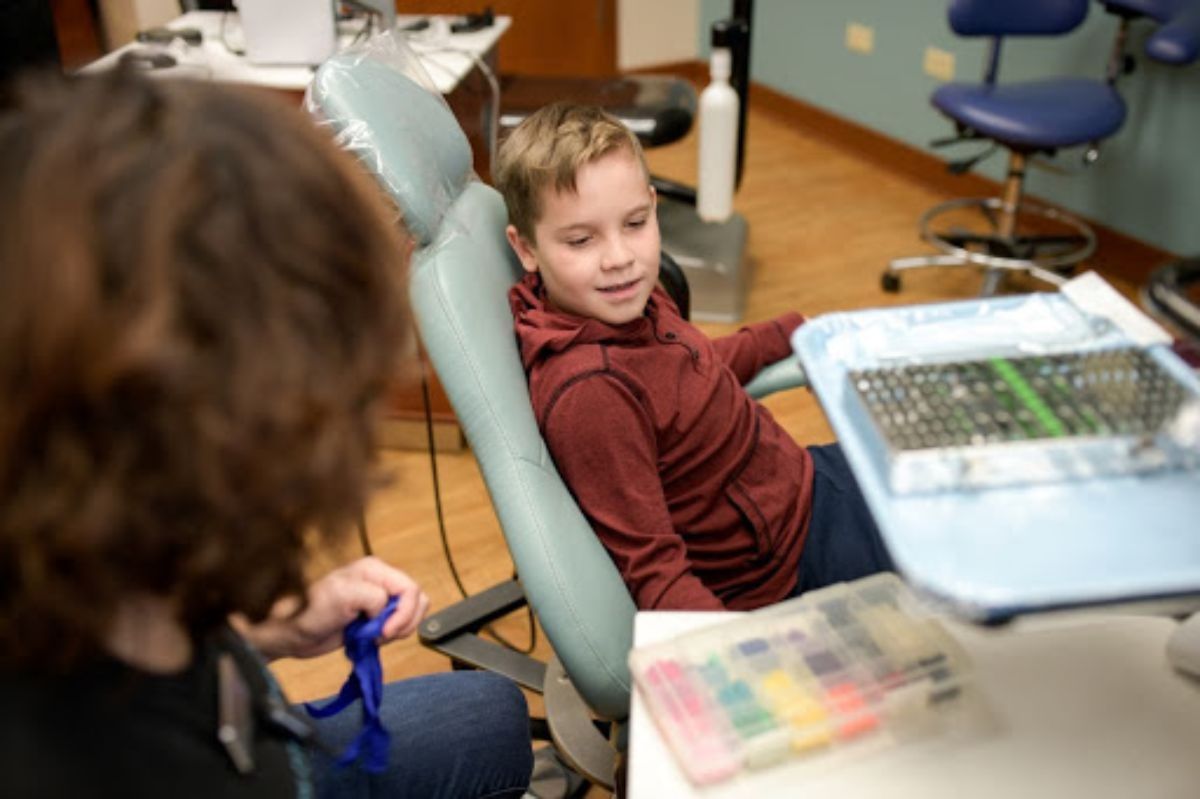
Orthodontics for all ages refers to treatment that corrects misaligned teeth and jaws at every life stage, from children as young as seven to adults well into their senior years. Modern care uses braces, Spark clear aligners, and growth-guidance appliances to fit each age group’s unique needs.
If you’re considering treatment for your seven-year-old, your teenager, or yourself, orthodontics for all ages offers effective options across the board. From early interceptive care that guides jaw development to adult solutions like Spark clear aligners, there’s never been a better time to start your smile journey.
Treatment isn’t just for kids anymore. Adults now make up a significant portion of orthodontic family members, and even seniors are discovering the benefits of straighter teeth. At Windy City Orthodontics, orthodontist Dr. Darren Pakravan, DDS, MS, treats the whole family, from first evaluations through final retainers.
What Is Orthodontics for All Ages?
Orthodontics for all ages is a family-focused approach to straightening teeth and correcting bite issues across every life stage. The science stays the same, but the methods adapt to where you are in life. Kids benefit from growth-guidance treatment, teens take advantage of active bone development, and adults work with fully formed bone structures using discreet options like Spark clear aligners.
Families find care customized to their stage of life with Dr. Pakravan, DDS, MS. Bone development, tooth eruption, lifestyle, and personal goals all shape each plan. The result is treatment that fits the person, not the other way around.
How Does Orthodontic Treatment Work at Each Life Stage?
Orthodontic treatment varies by life stage based on bone development and tooth eruption. Your teeth and jaw respond differently depending on age. Knowing these differences helps you know what to expect.
What Is Phase 1 Treatment (Ages 7-10)?
Early intervention focuses on guiding jaw growth while your child’s bones are still developing. The American Association of Orthodontists recommends children have their first orthodontic evaluation by age seven. At this age, Dr. Pakravan can spot potential issues before they get more complex.
Phase 1 treatment might address:
- Crossbites affecting jaw development
- Severe crowding that needs space management
- Harmful oral habits like thumb sucking
- Protruding front teeth at risk of injury
What Is Phase 2 Treatment (Ages 11-15)?
Once permanent teeth have erupted, full treatment begins. This is when most teens get braces or start with Spark clear aligners. Adolescent bones respond quickly to orthodontic forces, which may shorten total treatment time compared to adult cases.
Why teens do well with treatment:
- Active bone growth lets teeth shift faster than in adult cases
- Peer awareness keeps motivation high through the process
- Habits formed now, like flossing around brackets, last a lifetime and tend to carry over into other healthy routines
Adult Treatment Explained
Your teeth can move at any age. Adult orthodontics works on fully developed bone, which may extend treatment time slightly compared to teens. Adults tend to stick with the plan since they chose it themselves, and that commitment shows in the results.
Can Seniors Get Orthodontic Treatment?
Teeth naturally shift throughout life. Many older family members seek treatment for crowding that developed over decades, bite issues causing jaw discomfort, or preparation for dental restorations. Healthy teeth and gums make orthodontic treatment possible well into your senior years.
What Are the Benefits of Orthodontics for All Ages?
Every age group gains unique advantages from orthodontic care, and the earlier issues are spotted, the simpler the fix tends to be.
Why Should Children Start Early?
Catching issues early often means avoiding bigger ones later. Benefits include:
- Prevents future complications by addressing issues early
- Guides proper jaw development during growth spurts
- May reduce the need for extractions later
- Creates space for permanent teeth to erupt properly so the bite settles into a healthier pattern as adult teeth come in
What Do Teens Gain from Treatment?
Teen years are a sweet spot for orthodontics. Here’s why:
- Confidence grows during formative social years
- Bite problems get addressed before they cause joint issues
- Natural growth speeds up tooth movement
- Lifelong oral health habits take root
How Do Adults Benefit?
It’s never too late to invest in your smile. Adult treatment delivers:
- Correction of long-standing alignment issues
- Improved oral health by making teeth easier to clean
- A confident, professional appearance
- Relief from bite problems causing headaches or jaw discomfort
What General Benefits Apply to All Ages?
Straight teeth aren’t just about looks. Proper alignment means:
- Better bite function for comfortable chewing
- Easier brushing and flossing between teeth
- Reduced wear on tooth surfaces
- Lower risk of TMJ issues, gum disease, and tooth loss
According to the American Association of Orthodontists, properly aligned teeth contribute to better overall oral health throughout life.
Treatment Options Compared: Braces vs. Clear Aligners
Choosing between braces and aligners depends on your specific needs, lifestyle, and treatment goals. So which one fits you best?
| Feature | Metal Braces | LightForce Clear Braces | Spark Clear Aligners |
|---|---|---|---|
| Visibility | Most noticeable | Tooth-colored, subtle | Nearly invisible |
| Removability | Fixed | Fixed | Removable |
| Best for | Complex cases | Moderate to complex | Mild to moderate |
| Maintenance | Special cleaning tools needed | Special cleaning tools needed | Remove to eat and brush |
| Adjustment visits | Every 4-8 weeks | Every 4-8 weeks | Every 6-10 weeks |
How Do Metal Braces Work?
Modern metal braces are sleek and smaller than ever. They remain the most effective option for complex cases involving severe crowding, significant bite issues, or jaw alignment problems. Because they’re fixed to your teeth, they work around the clock without relying on patient compliance.
What Are LightForce Clear Braces?
These ceramic brackets blend with your natural tooth color. LightForce clear braces use 3D printing technology to create brackets customized for each family member. They offer the precision of traditional braces with a more discreet appearance.
How Do Spark Clear Aligners Work?
Spark clear aligners fit over your teeth and are designed to straighten your smile without brackets or wires. Removable for eating, brushing, and special occasions, they fit easily into busy routines. Many adults and teens prefer aligners for their convenience and nearly invisible appearance.
Treatment time varies based on case complexity rather than appliance type. Dr. Pakravan will recommend the best option during your free consult.
What Affects the Cost of Orthodontic Treatment?
Cost depends on four main factors: case complexity, appliance type, treatment duration, and insurance coverage. Several details influence your investment in orthodontic care.
How Does Treatment Complexity Affect Cost?
Simple spacing issues typically cost less than severe crowding or significant bite corrections. Cases requiring jaw modification or surgical coordination involve additional considerations, so the plan reflects what each smile actually needs.
Does Appliance Type Change the Price?
Metal braces are often the most accessible option. Clear braces and Spark clear aligners may carry higher fees due to the materials and lab processes involved in producing them.
How Does Treatment Duration Factor In?
Longer treatment timelines mean more office visits and adjustments. Early intervention in children sometimes reduces overall costs by preventing more involved treatment later.
What About Two-Phase Treatment?
Children who need both Phase 1 and Phase 2 treatment have costs spread across two treatment periods. Many families find this approach prevents larger interventions down the road.
How Do Insurance and Financing Work?
Most insurance plans include orthodontic benefits. Windy City Orthodontics accepts most insurance and offers affordable financing including interest-free options. Monthly payments fit your budget.
Who Is a Candidate for Orthodontic Treatment?
Almost anyone with healthy teeth and gums can benefit from orthodontic care.
Should My Child See an Orthodontist?
The AAO recommends a first evaluation by age seven. At this age, an orthodontist can spot developing issues and decide the right time to begin treatment. Not every child needs early intervention, but evaluation makes sure nothing gets missed.
Are Teens Good Candidates?
Teenage years remain the most common time for full orthodontic treatment. Most permanent teeth have erupted, and active growth helps teeth move efficiently. Whether your teen wants braces or Spark clear aligners, this is an ideal time to start.
Can Adults Still Get Treatment?
Healthy teeth and gums make most adults excellent candidates. Your teeth can move at any age. Many adults who missed orthodontic treatment as children are now getting the smiles they’ve always wanted.
What Are the Common Signs You Might Need Treatment?
- Crowded or overlapping teeth
- Gaps between teeth
- Overbite (upper teeth extend too far over lower teeth)
- Underbite (lower teeth sit in front of upper teeth)
- Crossbite (teeth don’t align properly when biting)
- Difficulty chewing or biting
- Jaw discomfort or clicking
An orthodontic evaluation typically includes a review of your medical and dental history, an exam of teeth and jaw alignment, and digital scans or images that map current alignment. From there, an orthodontist can outline what treatment can realistically achieve.
Frequently Asked Questions
Is it too late to get braces as an adult?
It’s never too late. Adults of all ages successfully complete orthodontic treatment. As long as your teeth and gums are healthy, you’re a candidate. Many adults find that modern options like Spark clear aligners fit easily into professional and social life.
At what age should my child see an orthodontist?
The American Association of Orthodontists recommends an evaluation by age seven. At this age, Dr. Pakravan, DDS, MS, can identify developing issues and decide whether early treatment would help. Many children don’t need treatment this young, but early evaluation catches issues before they get complex.
How long does orthodontic treatment take?
Most orthodontic treatment takes about one to two years on average. Phase 1 treatment for children usually lasts roughly six to twelve months. Adult treatment times vary based on the severity of misalignment and the type of appliance used.
Are clear aligners as effective as braces?
For mild to moderate cases, yes. Spark clear aligners effectively treat mild to moderate alignment issues. For complex cases involving significant bite problems or jaw alignment, braces may achieve better results. Dr. Pakravan will recommend the most effective option for your specific situation during your free consult.
Does orthodontic treatment hurt?
You may notice soreness or tenderness for several days after braces are placed or adjusted. This typically eases within a few days. Saltwater rinses or over-the-counter relief help manage any tenderness. Most family members find the mild soreness very manageable.
Can seniors benefit from orthodontic care?
Absolutely. Seniors with healthy teeth and gums can successfully straighten their smiles. Many older family members seek treatment for teeth that have shifted over time, bite issues causing discomfort, or to prepare for dental restorations. Age alone doesn’t disqualify anyone from orthodontic treatment.
Curious which option fits your family best? Orthodontics for all ages offers something for kids, teens, adults, and seniors alike, and learning about your options is a smart first step. Dr. Pakravan, DDS, MS, and the team at Windy City Orthodontics offer smiles for all ages and are happy to answer questions whenever you’re ready to explore what treatment could look like for you.