
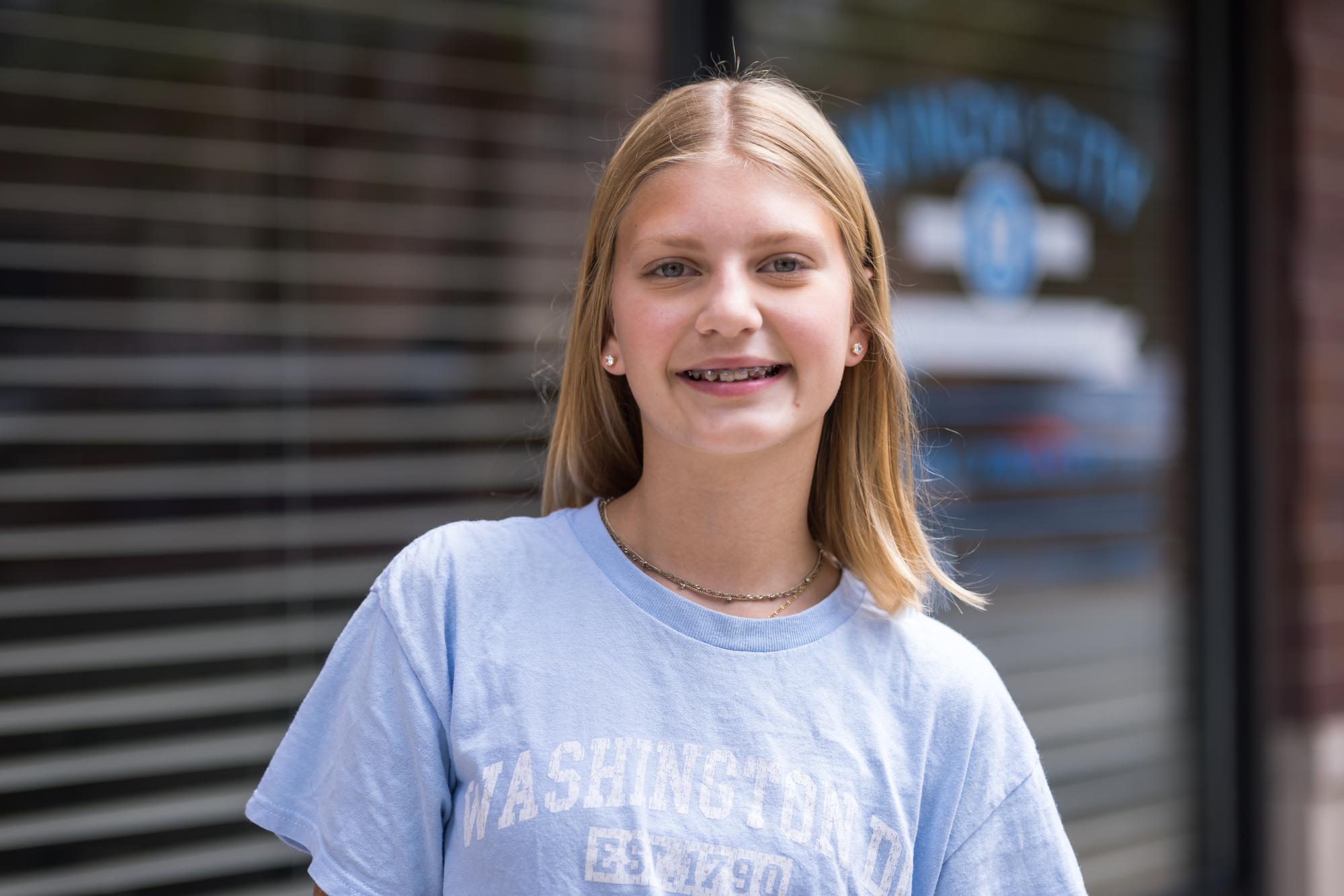
Helping your teen get a straighter smile is one of the best things you can do for their health and confidence. If you’re researching braces for teens and want a parent’s guide to the full picture, you’re in the right place. At Windy City Orthodontics in Chicago, Dr. Darren Pakravan helps families find the right option for their teens, from traditional metal braces to Spark clear aligners.
This guide walks you through how teen braces work, how to compare options and when to schedule your teen’s first visit.
What Are Braces for Teens?
Teen braces are orthodontic appliances that gently straighten teeth and correct bite issues using brackets bonded to each tooth and a wire that guides tooth movement over time. Most teens wear braces between ages 11 and 15, when permanent teeth are in and the jaw is still growing, making this a great window for treatment.
Adolescence is an ideal time to start because tooth movement happens efficiently and results tend to stay stable with proper retainer wear. Common issues braces correct include:
- Crowding
- Spacing and gaps
- Overbite
- Underbite
- Crossbite
- Open bite
Teens have several options at Windy City Orthodontics, including traditional metal braces, LightForce clear braces and Spark clear aligners. While a general dentist cares for everyday oral health, an orthodontist like Dr. Pakravan has years of specialty training focused specifically on tooth movement and bite correction. That’s an important difference when it comes to your teen’s smile.
How Teen Braces Work: The Treatment Process
The treatment process at Windy City Orthodontics follows a clear path, so you and your teen always know what’s next. Here’s how it works from start to finish.
Step 1: Free Consult and Digital Scan
Your teen’s first visit is a free exam with Dr. Darren Pakravan. We take digital scans using the iTero Element Scanner, which is faster and more comfortable than old-school molds.
Step 2: Customized Treatment Plan
Dr. Pakravan reviews the scans and builds a customized plan with a clear timeline. You’ll know exactly what to expect before anything begins.
Step 3: Bonding Visit
On bonding day, the orthodontic team places brackets on each tooth and connects them with a wire. Your teen walks out with their new braces that same day.
Step 4: Adjustments Every 4 to 8 Weeks
Every month or two, your teen comes in for a short check-in. Dr. Pakravan adjusts the wires to keep teeth moving in the right direction. These visits are quick and easy to fit around school.
Step 5: Braces Removal and Retainers
Once the smile is where it should be, we remove the braces and fit your teen for retainers. Retainers lock in the results, so wearing them as directed is key.
Most teens complete treatment in 18 to 24 months, though simpler cases may finish faster and more complex ones may take longer.
Benefits of Braces for Teens
Straightening your teen’s smile does more than improve how they look in photos. It builds a healthier mouth and a stronger foundation for life. Here are the biggest benefits for growing teens.
How Do Braces Improve Oral Health?
Straight teeth are easier to brush and floss. That means a lower risk of cavities, gum disease and enamel wear down the road. For busy teens juggling school and activities, easy cleaning makes a real difference. Fewer tight contact points also mean food is less likely to get stuck between teeth, which supports healthier gums over time.
How Do Braces Improve Bite Function?
A corrected bite helps with chewing, speech and jaw comfort. Teens with aligned bites often notice less jaw tension and clearer speech patterns. Even pressure across the teeth also protects enamel from uneven wear that can show up years later.
How Do Braces Boost Confidence During Big Social Years?
Middle school, high school, prom, graduation photos. These are the years your teen remembers for a lifetime. A straight, healthy smile gives them something to feel great about every day. Many parents share that their teen seems more willing to speak up in class and smile in photos once treatment is underway.
How Do Braces Prevent Future Dental Issues?
Fixing crowding, spacing or bite problems now helps prevent bigger issues as an adult. It can also reduce the need for restorative care later on.
How Do Retainers Keep Results Lasting?
When teens wear their retainers as prescribed, results stay stable for years. Dr. Pakravan and the team walk every family through retainer care so the smile transformation lasts. Simple habits, like keeping retainers in a case and cleaning them daily, go a long way.
Are Braces Compatible with Sports, Band and School Life?
Teens are busy. Whether your teen plays soccer, swims or plays trumpet in the school band, braces fit right into their routine. We can recommend mouthguards for sports and offer tips for musicians adjusting to brackets. Our post on playing sports while wearing braces has more on staying active during treatment.
Braces give families a healthier bite, a brighter smile and a confident teen ready to take on anything.
Metal Braces vs. Clear Braces vs. Clear Aligners: Comparison
Choosing the right option comes down to your teen’s lifestyle, how visible they want their treatment to be and what their bite needs. Here’s how the three main options at Windy City Orthodontics compare.
| Feature | Metal Braces | LightForce Clear Braces | Spark Clear Aligners |
|---|---|---|---|
| Visibility | Most visible | Discreet, tooth-colored | Nearly invisible |
| Durability | Highest | Slightly more fragile | Removable trays |
| Best For | Complex cases | Image-conscious teens | Mild to moderate cases, disciplined wearers |
| Wear Time | 24/7 | 24/7 | 20-22 hours per day |
| Maintenance | Avoid certain foods | Avoid certain foods | Remove to eat and brush |
| Treatment Length | 18-24 months typical | 18-24 months typical | 12-24 months typical |
Metal Braces are the most durable choice. They handle even the trickiest bite issues with ease.
LightForce Clear Braces are made with tooth-colored brackets that blend in. They’re a great middle ground for teens who want something less noticeable but still fixed in place.
Spark Clear Aligners are smooth, removable trays that are nearly invisible. They work well for teens who are responsible about wearing them 20 to 22 hours a day and remembering to put them back in after meals.
How do you help your teen choose? Think about personality and routine. A teen who tends to lose things might do better with fixed braces. A teen focused on senior photos or who plays wind instruments may prefer aligners. During your free consult, Dr. Pakravan will share which option fits your teen’s bite and lifestyle best.
Is Your Teen a Candidate for Braces?
Not sure if it’s time for braces? Here’s a quick parent checklist to help you decide whether your teen should see an orthodontist.
Signs Your Teen May Need Braces
- Crowded, crooked or overlapping teeth
- Noticeable gaps between teeth
- An overbite, underbite or crossbite
- Jaw clicking, popping or discomfort
- Difficulty chewing or biting food
- Mouth breathing or trouble closing lips comfortably
- Early, late or uneven loss of baby teeth
Ideal Age Range
Most teens start treatment between ages 11 and 15, once most permanent teeth have come in. This timing lets Dr. Pakravan work with the natural growth of the jaw for the best results.
Health Factors to Consider
Good oral hygiene habits matter. Teens with healthy gums, few cavities and consistent brushing routines are set up for a smooth treatment experience. If your teen needs to improve their hygiene first, that’s okay. We’ll help coach them along the way.
When to Schedule an Evaluation
The American Association of Orthodontists recommends every child have an orthodontic evaluation by age 7. Even if treatment isn’t needed yet, Dr. Darren Pakravan can spot developing issues early and let you know the best time to start. Early evaluations don’t commit your family to anything. They simply give you a timeline and peace of mind.
Not sure where your teen stands? Book a free exam. There’s no obligation, just honest answers from Dr. Pakravan and the team.
Frequently Asked Questions About Teen Braces
How long will my teen need to wear braces?
Most teens wear braces for 18 to 24 months, though simpler cases can finish faster. Your teen’s exact timeline depends on their bite, how well they follow care instructions and the treatment option you choose. Dr. Pakravan gives you a specific estimate at your free consult.
Can my teen play sports or instruments with braces?
Yes. Teens can play sports with braces by wearing a mouthguard, which we’ll help you pick out. Musicians who play wind or brass instruments usually need a short adjustment period, and we offer tips and wax to make the transition easier. Most teens get back to their usual routine within a week or two.
What foods should my teen avoid with braces?
With traditional braces, teens should skip hard, sticky and chewy foods that can damage brackets. That means no caramel, taffy, popcorn kernels, hard candy, ice chewing or biting whole apples. Spark clear aligners are removable, so your teen can eat whatever they want when the trays are out.
Will teeth shift years after braces come off?
Teeth can shift over time if retainers aren’t worn as directed. That’s why we give every family detailed retainer instructions and schedule follow-up visits to keep results stable. Wearing retainers consistently is the best way to protect your teen’s smile for life. Think of retainers as the final step that locks in all the hard work.
What should we avoid on the first day of braces?
On the first day, stick to soft foods like yogurt, pasta, mashed potatoes, smoothies and scrambled eggs. Teeth may feel tender for a few days as they start to move. Over-the-counter options and cold foods can help ease that soreness. Within a week, most teens are back to eating most of their usual meals.
Find the Right Braces for Your Teen in Chicago
Every teen’s smile is different, and the best way to know which option fits is a conversation with Dr. Pakravan. Families come to our Chicago office from Lakeview, Lincoln Park, Roscoe Village and all over the North Side. When you’re ready, book your free consult and we’ll help you map out the next step.